

Former U.S. President and presidential candidate Donald Trump has drawn criticism from U.S. lawmakers and international leaders after suggesting that he would not defend NATO countries from Russian attacks if they fail to meet their membership payment obligations.
Speaking at a rally in South Carolina, Trump recounted a situation where he warned NATO allies that he would “encourage” Russia to act freely against a member country not meeting defense spending guidelines.
Trump emphasized the importance of NATO members meeting their financial commitments, stating that he would not protect countries that were “delinquent” in payment.
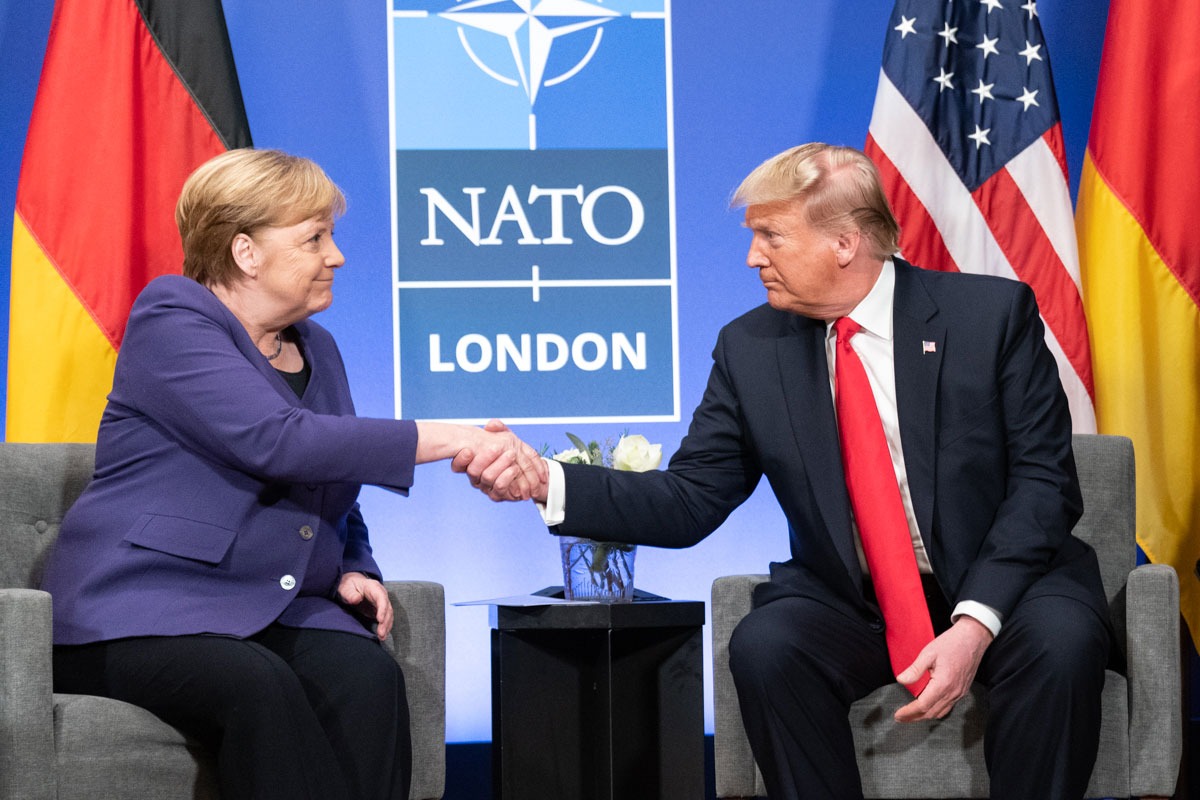
Trump’s remarks have sparked strong reactions, with U.S. President Joe Biden describing them as “appalling and dangerous.” The former president has a history of criticizing the NATO alliance and has been accused of maintaining close ties with Russia during his first presidential term.
While the Kremlin declined to address Trump’s comments directly, they stated that Kremlin spokesperson Dmitry Peskov is currently Putin’s press secretary, not Trump’s.
The U.S. has traditionally contributed the largest number of military personnel to NATO, with 1.35 million troops in 2023.
Trump’s statement adds to the ongoing debate about the role and commitments of NATO member countries, with some questioning the level of financial contributions and military commitments from various alliance members.
